


Advocacy
Freedom for Profit?
Stephanie Limoncelli's Advocacy, Inc. argues that the anti-slavery movement's business-friendly orientation impairs its ability to advocate on behalf of workers and exploited victims of trafficking.
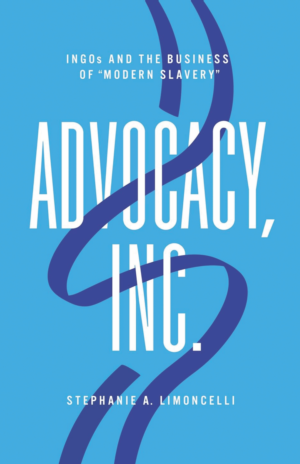
Stephanie Limoncelli's Advocacy, Inc. argues that the anti-slavery movement's business-friendly orientation impairs its ability to advocate on behalf of workers and exploited victims of trafficking.

A Brazilian law to promote more inclusive corporate philanthropy failed to direct more money to underserved communities.

Beyond targeting actions, laws should build the standards, signals, and structures that shape mindsets.

Companies in Taiwan with ties to the ruling party invested in public welfare to reduce the potential for popular backlash during the nation’s democratic transition.

Instead of mirroring corporate practices, trust-based philanthropy listens to what communities want and need.


Indian companies tend to spend required social outlays on important stakeholder groups.

Employees who volunteer for social impact work may see careers harmed by sexist biases.
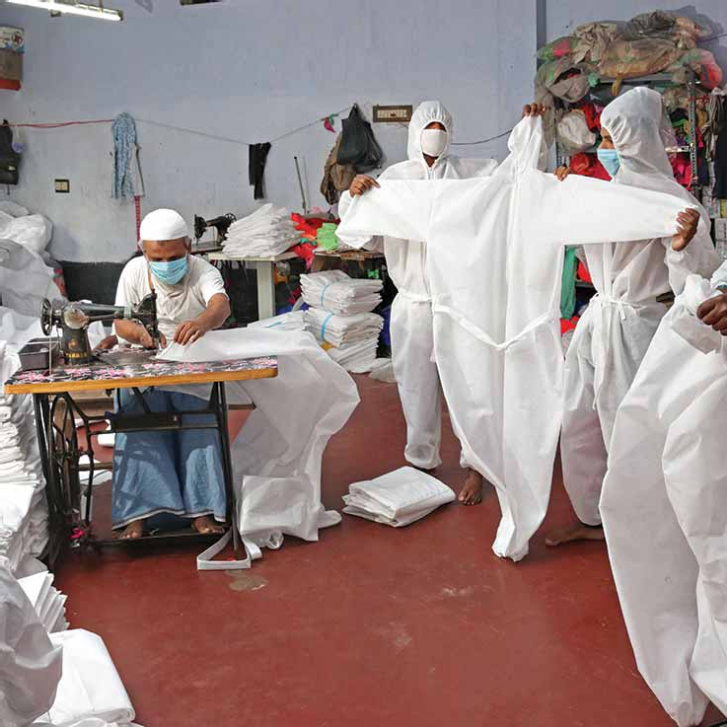
To address the COVID-19 pandemic and its economic disruptions, India’s government, businesses, and nonprofits had to work together. Their experience provides lessons for the world on crisis management.

While allies and advisors are important in our work, it’s more important to support and develop our own Indigenous power, leadership, and decision-making.

By building strategic alliances with investors and shareholders, Indigenous Peoples are proactively protecting their rights by urging corporate respect of those rights in routine operations.